Mazda · FD3S
Mazda RX-7 FD
Widely considered the pinnacle of Mazda's rotary sports-car era, the FD RX-7 pairs stunning, timeless curvaceous styling with a genuinely advanced sequential twin-turbo rotary engine and near-perfect 50/50 weight distribution.
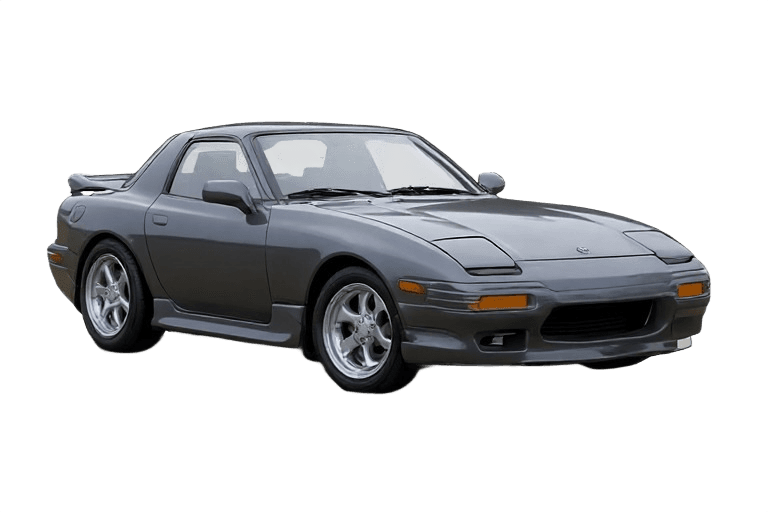
Spec Sheet
- Generation / Chassis Code
- FD3S
- Years Produced
- 1992–2002
- Manufacturer
- Mazda
- Country
- Japan
- Body Style
- 2-door coupe
- Engine
- 1.3L twin-rotor sequential twin-turbo (13B-REW)
- Horsepower
- 255–280 hp
- Torque
- 217–231 lb-ft
- Transmission
- 5-speed manual
- Drivetrain
- RWD
- Weight
- ~2,800 lbs
- 0–60 mph
- ~5.0 seconds
History
Mazda engineered the FD with an obsessive focus on weight and balance, using a sequential twin-turbo setup (a small turbo for low-end response, joined by a second for top-end power) that was genuinely cutting-edge technology for a mainstream sports car in 1992.
Why It Became Famous
Its combination of gorgeous styling, near-perfect weight balance, and a genuinely unique rotary powerplant makes it one of the most celebrated Japanese sports cars ever built, still cited by enthusiasts as one of the best-handling cars of its generation.
Strengths
- Sequential twin-turbo 13B-REW delivers strong, progressive power delivery
- Near-perfect 50/50 weight distribution and low center of gravity for exceptional handling
- Genuinely gorgeous, still-modern styling considered a design classic
- Light weight for a turbocharged sports car of its era
Weaknesses
- Rotary engine demands more frequent, specialized maintenance than piston rivals
- Apex seal wear and oil consumption are inherent to the rotary design
- Values have risen dramatically in the last decade, especially for clean, unmodified examples
- Sequential turbo system is complex and can be costly to repair if neglected
Common Problems
- Apex seal wear and compression loss if the rotary isn't maintained and driven correctly
- Sequential twin-turbo system component failures (actuators, solenoids) with age
- Cooling system issues leading to overheating, a serious risk for rotary longevity
- Rust in rear arches and rocker panels on humid-climate examples
Modification Potential
Very strong within the rotary tuning community — single-turbo conversions, built rotary housings, and even LS-swap conversions are all well documented, though rotary-specific tuning expertise remains essential.
Buying Guide
Get a thorough compression test and rotary specialist inspection, verify sequential turbo system function, and expect to pay a significant premium for genuinely clean, well-maintained, unmodified examples given skyrocketing demand.
Enthusiast Popularity Today
One of the most revered JDM sports cars in the world, with values climbing sharply as collectors and enthusiasts recognize its design and engineering achievement.
Fun Facts
- Its sequential twin-turbo system was one of the most advanced forced-induction setups on any production car when it launched in 1992
- The FD's rotary engine displaces only 1.3 liters (or 2.6L by some rotary-equivalent measures) yet produces power on par with much larger piston engines
- Car and Driver and other outlets repeatedly praised its steering feel and chassis balance as best-in-class upon release
More from Mazda
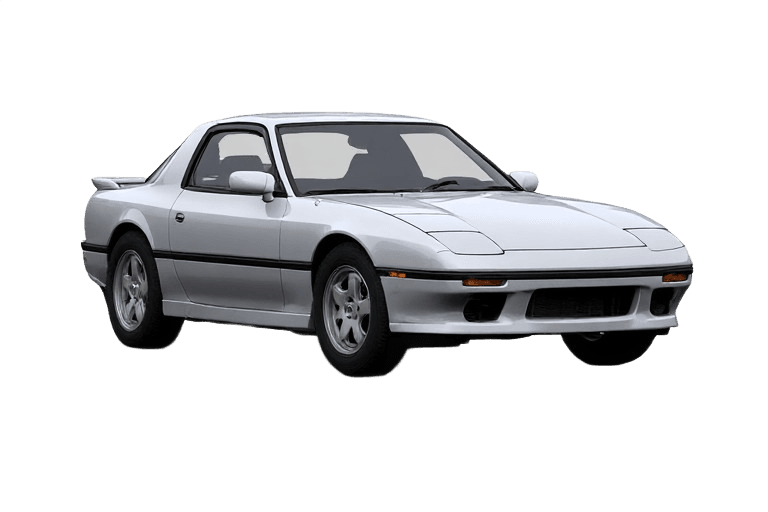 FC3S
FC3SMazda RX-7 FC
1985–1992 · 182–205 hp · RWD
The second-generation RX-7 refined Mazda's rotary sports-car formula with a genuinely sophisticated chassis, including available four-wheel steering, wrapped around the distinctive high-revving 13B-T twin-rotor engine.
 NA
NAMazda MX-5 NA
1989–1997 · 116–133 hp · RWD
The original MX-5 (Miata) single-handedly revived the affordable, lightweight British-style roadster formula that had all but died out by the late 1980s, proving that genuine driving joy comes from balance and simplicity rather than raw power.
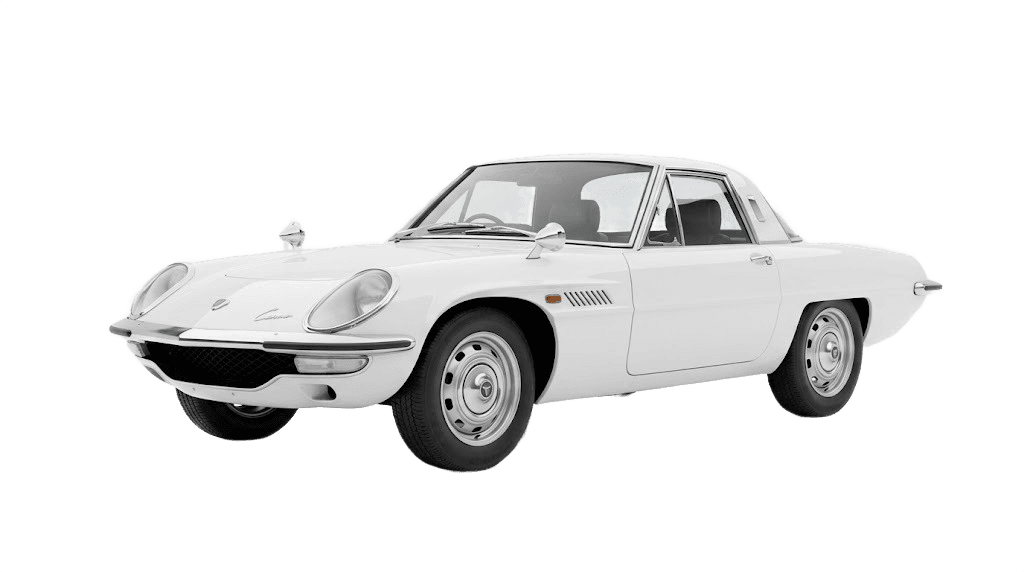 L10A / 110S
Mazda Cosmo
1967–1972 (original series) · 110 hp · RWD
The car that started it all: the original Cosmo was Mazda's first production rotary-engine car and one of the first rotary vehicles sold anywhere, proving the company's commitment to Felix Wankel's then-radical engine design decades before the RX-7 made rotaries famous worldwide.