RB26 · 2JZ · SR20 · 4G63 · EJ20
The complete guide to Japanese Domestic Market cars.
JDM101 is the beginner-friendly encyclopedia for iconic Japanese sports cars — chassis codes, specs, history, and buying guides — plus a matchmaker quiz that finds the JDM car built for your budget and driving style.
What does “JDM” actually mean?
JDM stands for Japanese Domestic Market — vehicles and parts built specifically for sale inside Japan, often with different engines, trims, and equipment than the versions exported abroad. Some JDM cars, like the Nissan Skyline GT-R R34 or the Honda Civic Type R EK9, were never officially sold outside Japan at all.
That exclusivity, combined with a golden era of engineering during Japan’s late-1980s and 1990s performance car boom, turned JDM cars into some of the most beloved, tunable, and collectible vehicles in the world — the foundation of drift culture, grassroots motorsport, and a global enthusiast community that keeps growing decades later.
Featured Icons
View all cars →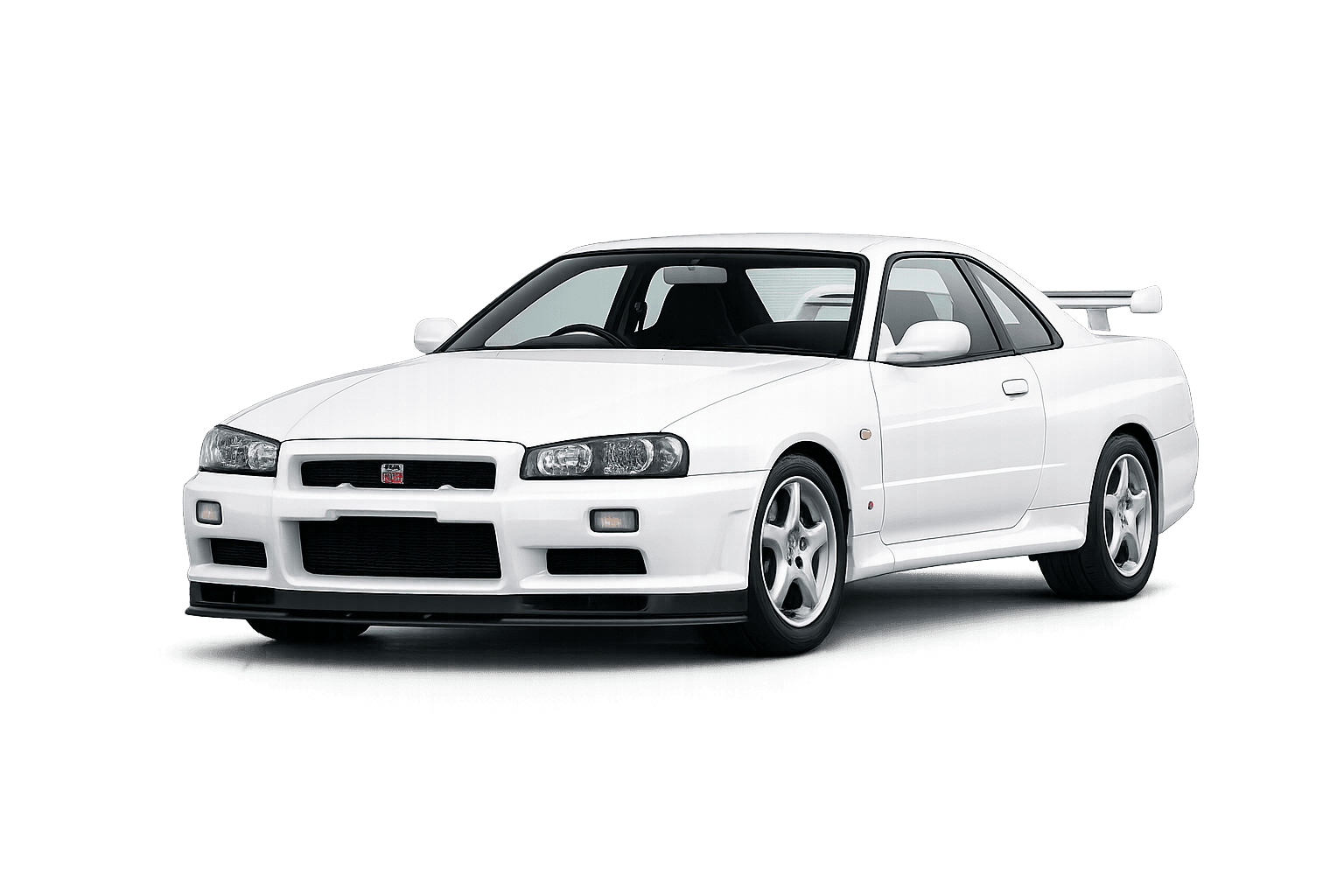 BNR34
BNR34Nissan Skyline GT-R R34
1999–2002 · 276 hp · AWD
The R34 is the GT-R most people picture when they hear the name — a tighter, more focused evolution of the R33 with a factory multi-function display, a stronger six-speed gearbox, and a starring role in Paul Walker's collection and Fast & Furious lore.
 JZA80
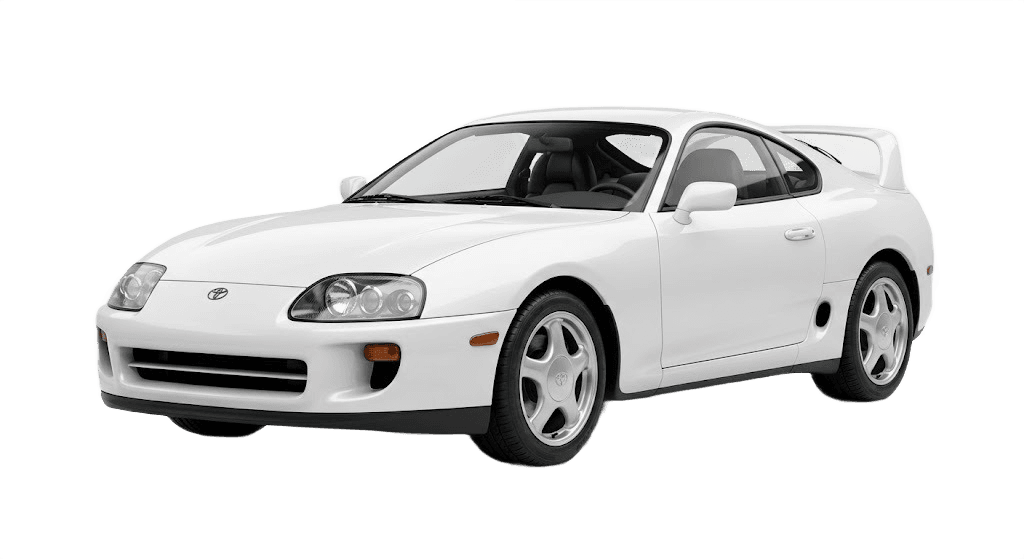
JZA80Toyota Supra MK4
1993–2002 · 276 hp · RWD
The MK4 Supra is arguably the single most famous engine-and-chassis combination in tuning history: a fundamentally over-engineered 2JZ-GTE block that has proven capable of surviving four-figure horsepower numbers with the right supporting parts.
 FD3S
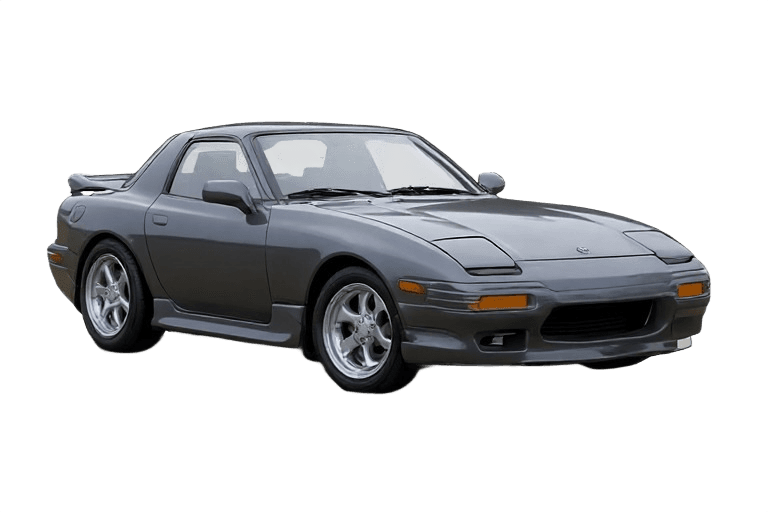
FD3SMazda RX-7 FD
1992–2002 · 255–280 hp · RWD
Widely considered the pinnacle of Mazda's rotary sports-car era, the FD RX-7 pairs stunning, timeless curvaceous styling with a genuinely advanced sequential twin-turbo rotary engine and near-perfect 50/50 weight distribution.
 NA1
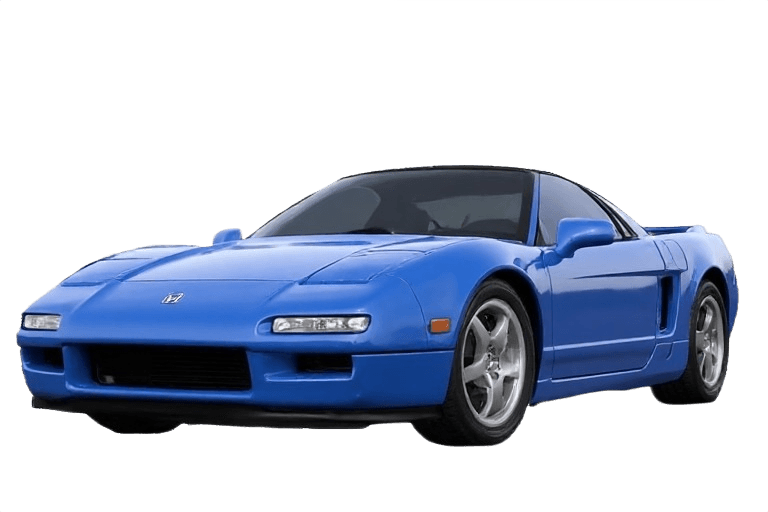
NA1Honda NSX NA1
1990–1997 · 270 hp · RWD
Developed with input from Formula 1 legend Ayrton Senna, the NSX proved a Japanese manufacturer could build a genuine everyday-usable supercar — one with all-aluminum construction, mid-engine balance, and Honda's obsessive reliability standards.
 S15
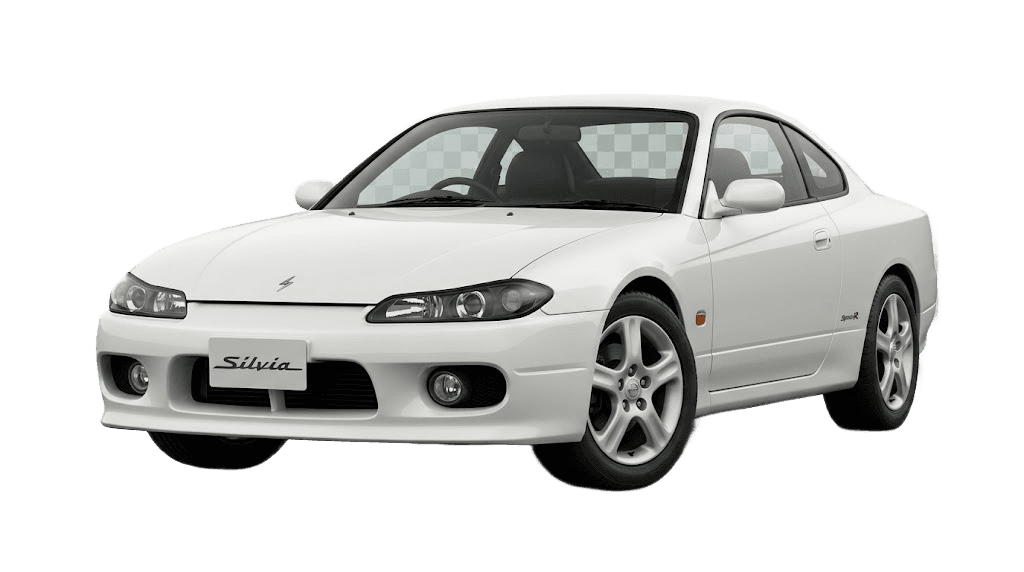
S15Nissan Silvia S15
1999–2002 · 247–276 hp · RWD
The S15 is the final and most refined Silvia — shorter, lighter, and sharper than the S14, with a ball-bearing turbo SR20DET in Spec R form and a six-speed gearbox that makes it the most complete factory package in the lineage.
 AE86
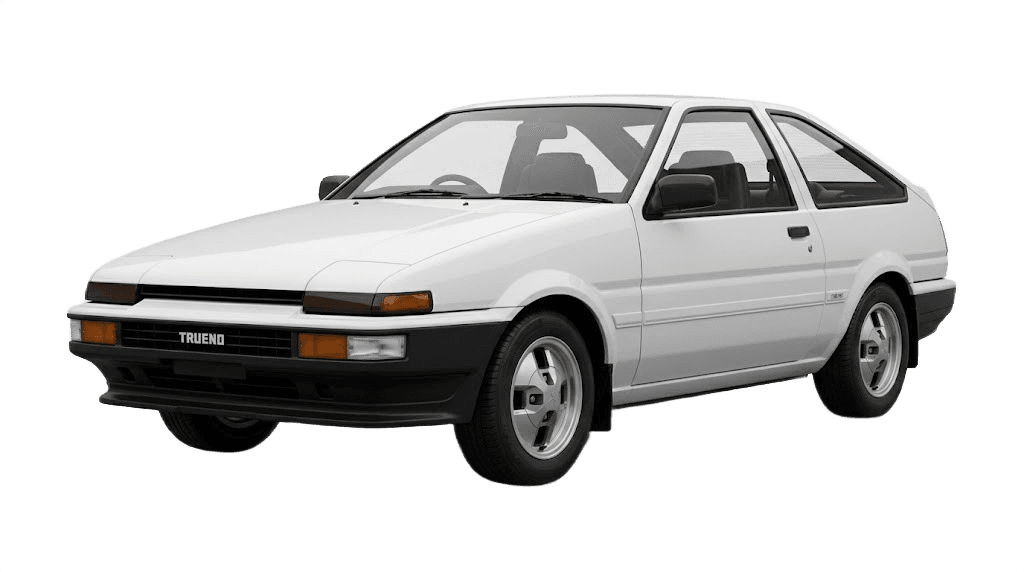
AE86Toyota AE86 Corolla Levin/Trueno
1983–1987 · 128 hp · RWD
Immortalized by the manga and anime Initial D, the AE86 is a lightweight, RWD economy coupe whose 50/50 weight balance and revvy 4A-GE engine made it a legendary mountain-pass and drift training car despite modest power figures.
 GC8
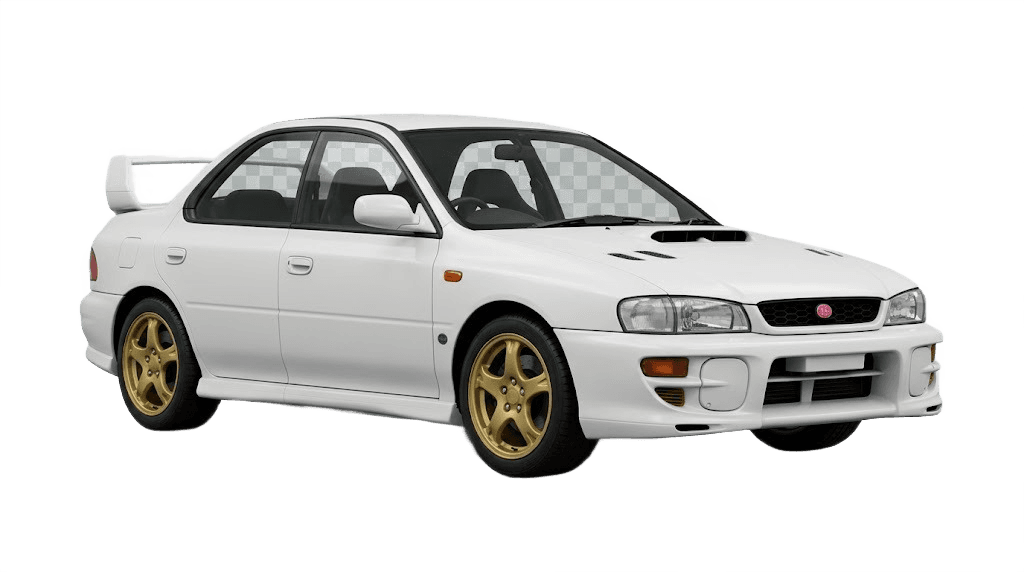
GC8Subaru Impreza WRX STI GC8
1994–2000 · 247–276 hp · AWD
The car that launched Subaru's WRC-winning rally dynasty and the boxer-engine/AWD formula the brand is still known for today, the GC8 STI is a compact, turbocharged sedan that punched dramatically above its weight on rally stages and mountain roads alike.
 CP9A
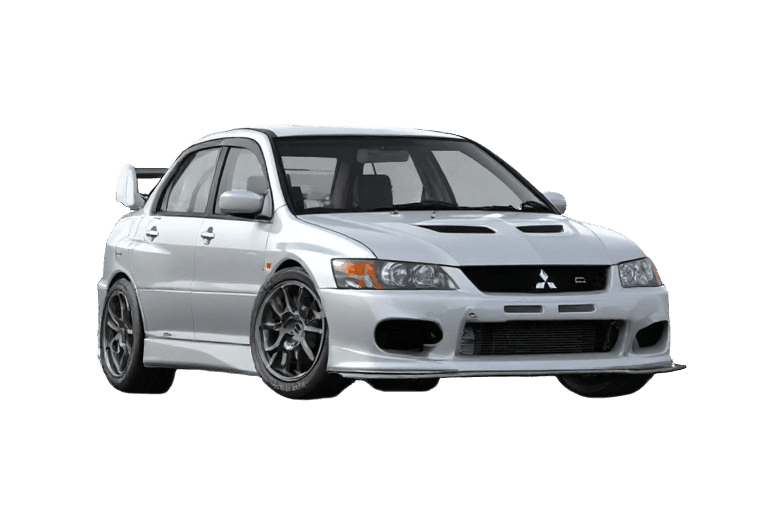
CP9AMitsubishi Lancer Evolution VI
1999–2001 · 276 hp · AWD
Refined specifically to help Tommi Mäkinen chase World Rally Championship titles, the Evo VI added improved cooling, a stronger drivetrain, and a limited Tommi Mäkinen Edition that remains one of the most desirable Evos ever built.
Popular Manufacturers
Not sure which JDM car is right for you?
Answer four quick questions about your budget, driving style, and experience level, and the JDM Matchmaker will recommend the car built for you.
Take the JDM Matchmaker Quiz