Mazda · L10A / 110S
Mazda Cosmo
The car that started it all: the original Cosmo was Mazda's first production rotary-engine car and one of the first rotary vehicles sold anywhere, proving the company's commitment to Felix Wankel's then-radical engine design decades before the RX-7 made rotaries famous worldwide.

Spec Sheet
- Generation / Chassis Code
- L10A / 110S
- Years Produced
- 1967–1972 (original series)
- Manufacturer
- Mazda
- Country
- Japan
- Body Style
- 2-door coupe
- Engine
- 1.0L twin-rotor (10A)
- Horsepower
- 110 hp
- Torque
- 96 lb-ft
- Transmission
- 5-speed manual
- Drivetrain
- RWD
- Weight
- ~2,100 lbs
- 0–60 mph
- ~9.0 seconds
History
Mazda spent years perfecting the rotary engine's notoriously difficult apex-seal wear issues before launching the Cosmo, and its success established the rotary engine as a genuine Mazda signature technology that would define the brand's performance identity for the next 50 years.
Why It Became Famous
As Mazda's first rotary production car, it's a genuine piece of automotive engineering history — the foundation stone for everything from the RX-3 and RX-7 to the RX-8 and beyond.
Strengths
- Historic significance as Mazda's first production rotary car
- Smooth, distinctive rotary engine character unlike any piston engine
- Elegant, futuristic 1960s styling that remains striking today
- Rare and highly collectible for serious classic car enthusiasts
Weaknesses
- Extremely rare and expensive to acquire in good condition today
- Early rotary engineering solved apex-seal issues that still require careful maintenance
- Very limited parts and specialist support given its age and rarity
- No modern safety or convenience equipment
Common Problems
- Apex seal and rotor housing wear typical of early rotary engineering
- Rust after more than five decades on unrestored examples
- Deteriorated wiring and fuel systems from age
- Extremely scarce original parts for restoration
Modification Potential
Minimal — surviving examples are almost universally preserved or restored to original specification given their rarity and historical significance rather than modified for performance.
Buying Guide
This is a specialist collector purchase; engage a rotary and classic Mazda expert to verify authenticity, originality, and restoration quality before buying.
Enthusiast Popularity Today
Revered by rotary engine historians and serious classic car collectors, though far less widely known than the RX-7 among general enthusiasts.
Fun Facts
- It was one of the first rotary-engine cars sold anywhere in the world, alongside Germany's NSU Ro 80
- Mazda's engineers overcame the rotary engine's infamous 'chatter marks' apex-seal wear problem through a material breakthrough shortly before the Cosmo's launch
- Its name and futuristic styling reflected the space-race optimism of the late 1960s
More from Mazda
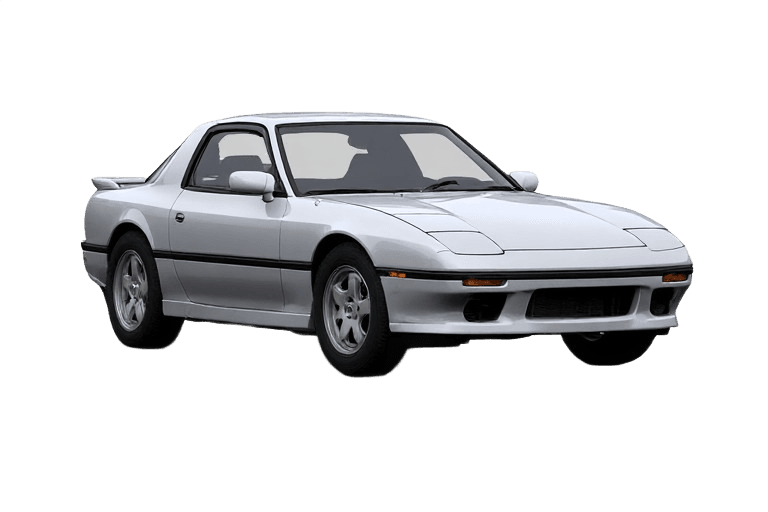 FC3S
FC3SMazda RX-7 FC
1985–1992 · 182–205 hp · RWD
The second-generation RX-7 refined Mazda's rotary sports-car formula with a genuinely sophisticated chassis, including available four-wheel steering, wrapped around the distinctive high-revving 13B-T twin-rotor engine.
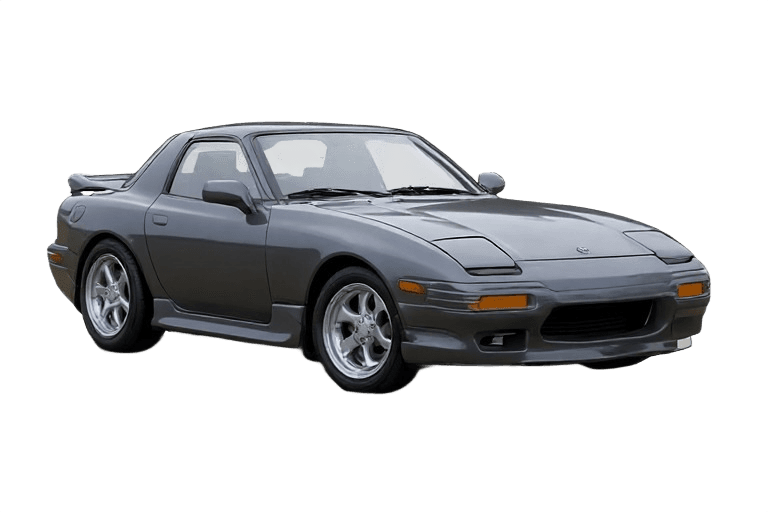 FD3S
FD3SMazda RX-7 FD
1992–2002 · 255–280 hp · RWD
Widely considered the pinnacle of Mazda's rotary sports-car era, the FD RX-7 pairs stunning, timeless curvaceous styling with a genuinely advanced sequential twin-turbo rotary engine and near-perfect 50/50 weight distribution.
 NA
NAMazda MX-5 NA
1989–1997 · 116–133 hp · RWD
The original MX-5 (Miata) single-handedly revived the affordable, lightweight British-style roadster formula that had all but died out by the late 1980s, proving that genuine driving joy comes from balance and simplicity rather than raw power.