Honda · DC2
Honda Integra Type R DC2
Widely regarded as one of the greatest front-wheel-drive cars ever built, the DC2 Integra Type R combines a screaming, hand-ported B18C VTEC engine with meticulous chassis tuning, a helical limited-slip diff, and painstaking factory attention to weight reduction.
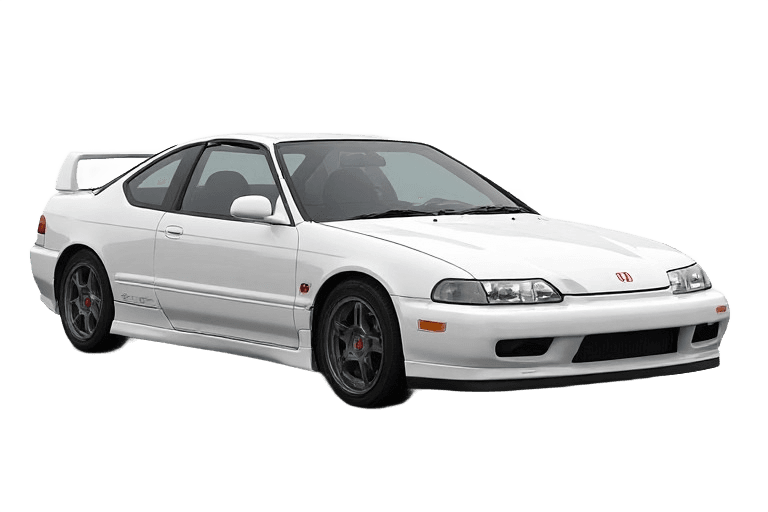
Spec Sheet
- Generation / Chassis Code
- DC2
- Years Produced
- 1995–2001
- Manufacturer
- Honda
- Country
- Japan
- Body Style
- 2-door coupe
- Engine
- 1.8L inline-4 (B18C, DOHC VTEC)
- Horsepower
- 197–200 hp
- Torque
- 130 lb-ft
- Transmission
- 5-speed manual
- Drivetrain
- FWD
- Weight
- ~2,600 lbs
- 0–60 mph
- ~6.7 seconds
History
Honda's Type R division hand-inspected and hand-ported each cylinder head, welded extra chassis bracing into the unibody, and stripped out sound deadening and other weight — turning an ordinary Integra into a car that repeatedly beat far more powerful machinery on twisty circuits.
Why It Became Famous
It proved that a FWD car, when engineered obsessively enough, could out-handle much more powerful RWD rivals, and it remains the benchmark by which every front-wheel-drive performance car since has been measured.
Strengths
- Hand-ported B18C VTEC head revs to a thrilling 8,000+ rpm with genuine top-end fury
- Factory helical limited-slip differential dramatically reduces torque steer and improves corner exit
- Extensive factory weight-reduction and chassis bracing sharpen every input
- Widely considered the gold standard for FWD handling balance
Weaknesses
- No factory turbo, so peak power depends heavily on high rpm and driver commitment
- Values for genuine, unmodified DC2 Type Rs have risen sharply
- Spartan interior with removed sound deadening trades comfort for weight savings
- FWD limits ultimate grip compared to AWD or RWD rivals with similar power
Common Problems
- VTEC solenoid and oil control wear on high-mileage, hard-driven examples
- Worn motor mounts leading to excess drivetrain vibration
- Rust in rear arches on humid or salted-road cars
- Many surviving examples have been track-abused or heavily modified
Modification Potential
Very strong within the NA VTEC tuning world — individual throttle bodies, cams, and built B-series internals are well documented, and it remains a favorite base for time-attack and autocross builds.
Buying Guide
Verify genuine Type R equipment (LSD, chassis bracing, factory Recaro seats) since regular Integras are sometimes dressed up to look like Type Rs, and check VTEC engagement and motor mount condition on a test drive.
Enthusiast Popularity Today
Considered a holy grail among front-wheel-drive enthusiasts and Honda purists worldwide, with genuine examples commanding serious collector premiums.
Fun Facts
- Honda's Type R engineers hand-selected and hand-ported cylinder heads on the production line for consistent flow across every engine
- The DC2 lapped Japan's Tsukuba Circuit faster than many contemporary sports cars with far more power
- It's frequently cited by automotive journalists as one of the best-handling FWD cars ever made, a title it still holds decades later
More from Honda
 NA1
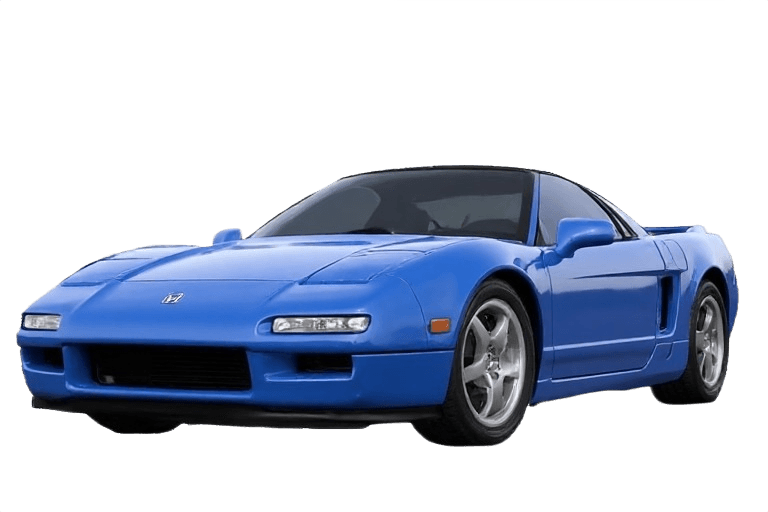
NA1Honda NSX NA1
1990–1997 · 270 hp · RWD
Developed with input from Formula 1 legend Ayrton Senna, the NSX proved a Japanese manufacturer could build a genuine everyday-usable supercar — one with all-aluminum construction, mid-engine balance, and Honda's obsessive reliability standards.
 EK9
EK9Honda Civic Type R EK9
1997–2000 · 182 hp · FWD
The first Civic to wear the Type R badge, the EK9 packed the highest specific output of any naturally-aspirated production four-cylinder of its era (the B16B produced over 100 hp per liter) into a featherweight hatchback body.
 FD2
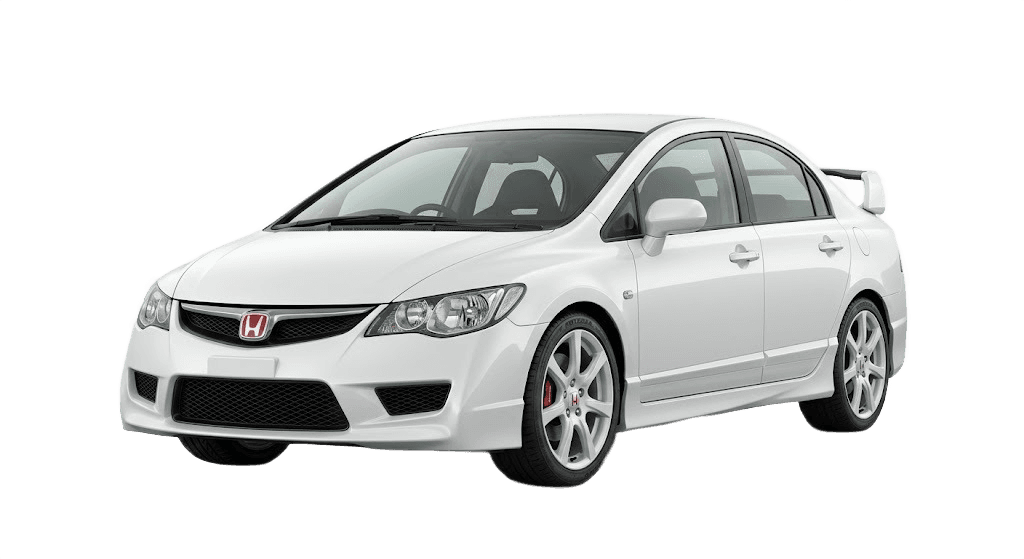
FD2Honda Civic Type R FD2
2007–2010 · 222 hp · FWD
The JDM-only FD2 took the Type R formula into a genuinely stiffened four-door sedan body, pairing the high-revving K20A with a specially reinforced chassis that made it one of the most track-capable sedans ever sold.