Honda · FD2
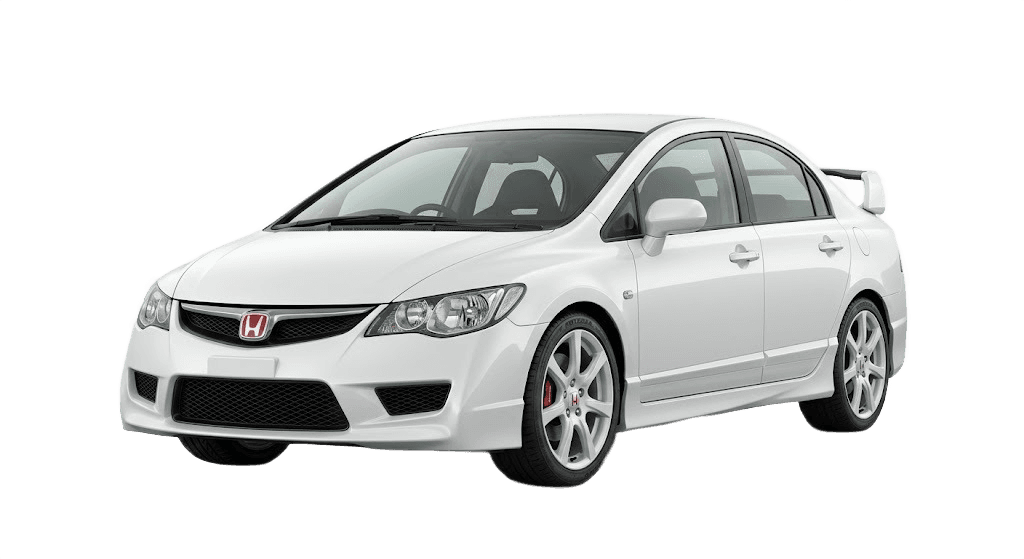
Honda Civic Type R FD2
The JDM-only FD2 took the Type R formula into a genuinely stiffened four-door sedan body, pairing the high-revving K20A with a specially reinforced chassis that made it one of the most track-capable sedans ever sold.
Spec Sheet
- Generation / Chassis Code
- FD2
- Years Produced
- 2007–2010
- Manufacturer
- Honda
- Country
- Japan
- Body Style
- 4-door sedan
- Engine
- 2.0L inline-4 (K20A, DOHC i-VTEC)
- Horsepower
- 222 hp
- Torque
- 159 lb-ft
- Transmission
- 6-speed manual
- Drivetrain
- FWD
- Weight
- ~2,850 lbs
- 0–60 mph
- ~6.0 seconds
History
Rather than adapting the global hatchback Civic Type R, Honda built a bespoke, more rigid sedan-specific platform for the Japanese market FD2, complete with its own dedicated front and rear suspension geometry tuned specifically for circuit performance.
Why It Became Famous
Its JDM-only, sedan-specific chassis engineering made it more track-focused than any other Civic Type R generation sold globally at the time, and it set benchmark lap times for front-wheel-drive sedans at Japanese circuits.
Strengths
- K20A i-VTEC engine revs to a thrilling 8,000 rpm with strong top-end power
- Bespoke, more rigid sedan chassis specifically engineered for circuit driving
- Excellent factory brakes and suspension tuning for its era
- Genuine motorsport-grade handling balance for a four-door car
Weaknesses
- Never sold outside Japan, so all examples are grey-market imports elsewhere
- No factory turbo, so power depends on high rpm and driver commitment
- Firm, track-focused suspension trades away some ride comfort
- Values have risen as JDM-only Honda demand has grown globally
Common Problems
- VTEC solenoid and timing chain wear on high-mileage, hard-driven examples
- Worn motor mounts amplifying vibration over time
- Suspension bushing wear affecting the car's renowned handling precision
- Track and time-attack wear on examples used for their intended purpose
Modification Potential
Strong within the K-series tuning community — cams, individual throttle bodies, and built K20A internals are well supported, and it remains a favorite for time-attack sedan builds.
Buying Guide
Verify genuine JDM import documentation, check for track-day wear and modification history, and confirm suspension and brake components haven't been worn out from hard circuit use.
Enthusiast Popularity Today
Highly respected among Honda purists and time-attack enthusiasts as one of the sharpest-handling front-wheel-drive sedans ever built.
Fun Facts
- Honda engineered a unique, more rigid chassis specifically for the JDM FD2 rather than reusing the global hatchback platform
- It set front-wheel-drive lap records at circuits including Suzuka during its production run
- The K20A engine in the FD2 was tuned specifically for higher output than the K20A used in other markets' Civic Type Rs
More from Honda
 NA1
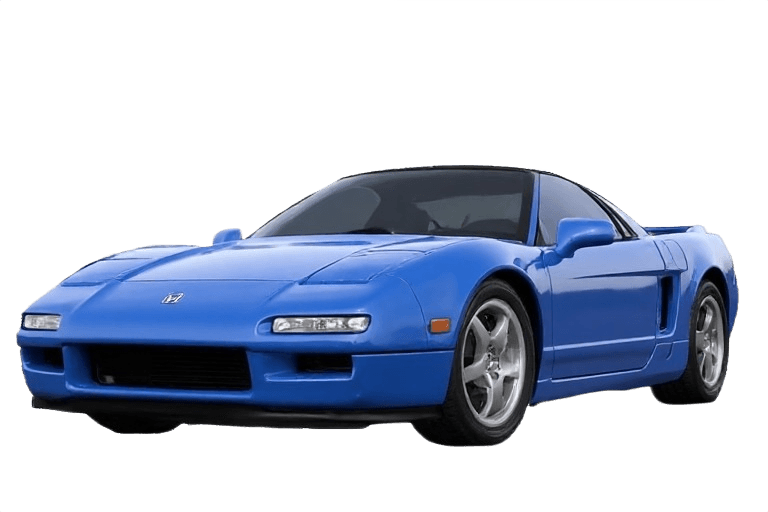
NA1Honda NSX NA1
1990–1997 · 270 hp · RWD
Developed with input from Formula 1 legend Ayrton Senna, the NSX proved a Japanese manufacturer could build a genuine everyday-usable supercar — one with all-aluminum construction, mid-engine balance, and Honda's obsessive reliability standards.
 DC2
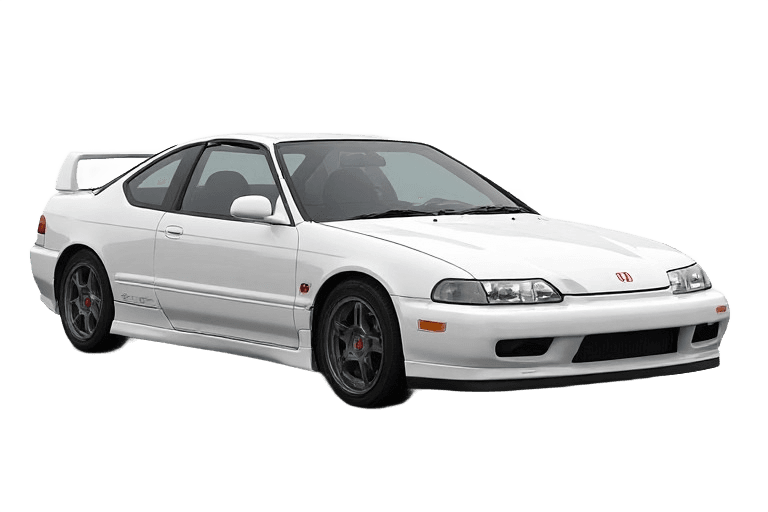
DC2Honda Integra Type R DC2
1995–2001 · 197–200 hp · FWD
Widely regarded as one of the greatest front-wheel-drive cars ever built, the DC2 Integra Type R combines a screaming, hand-ported B18C VTEC engine with meticulous chassis tuning, a helical limited-slip diff, and painstaking factory attention to weight reduction.
 EK9
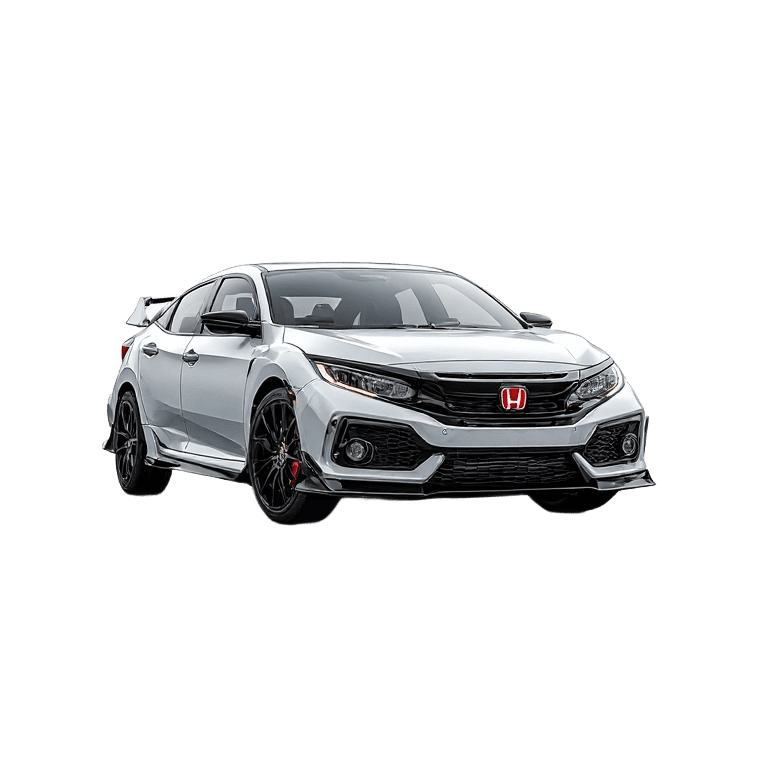
EK9Honda Civic Type R EK9
1997–2000 · 182 hp · FWD
The first Civic to wear the Type R badge, the EK9 packed the highest specific output of any naturally-aspirated production four-cylinder of its era (the B16B produced over 100 hp per liter) into a featherweight hatchback body.