Nissan · BCNR33
Nissan Skyline GT-R R33
The R33 is the often-overlooked middle child of the R-series GT-Rs, criticized in period for gaining weight, but it quietly became the first production car to break the 8-minute barrier at the Nürburgring — a fact that still surprises people today.
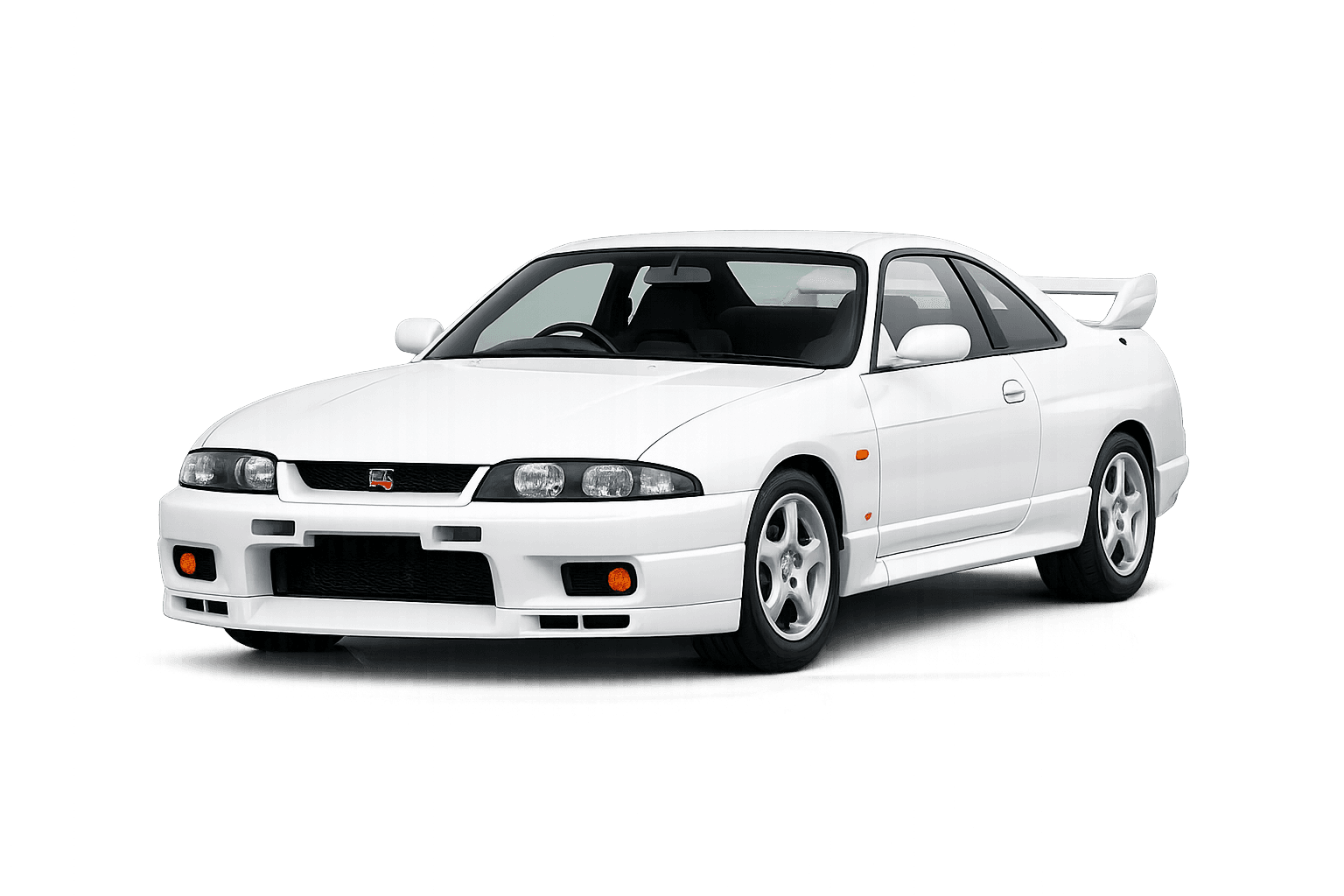
Spec Sheet
- Generation / Chassis Code
- BCNR33
- Years Produced
- 1995–1998
- Manufacturer
- Nissan
- Country
- Japan
- Body Style
- 2-door coupe
- Engine
- 2.6L twin-turbo inline-6 (RB26DETT)
- Horsepower
- 276 hp (gentlemen's agreement rating)
- Torque
- 271 lb-ft
- Transmission
- 5-speed manual
- Drivetrain
- AWD
- Weight
- ~3,400 lbs
- 0–60 mph
- ~4.8 seconds
History
Launched in 1995, the R33 refined the R32's chassis with a stiffer body and improved ATTESA-ETS Pro AWD system, and a modified R33 (the Nismo 400R) became a cult favorite even though it was never officially sold.
Why It Became Famous
Its Nürburgring lap record run in 1995 proved the platform's engineering credentials at a time when most people wrote it off as a heavier, softer R32, and the ultra-rare Nismo 400R variant became one of the most coveted GT-Rs ever built.
Strengths
- Stiffer chassis than the R32 gives more predictable, planted handling at speed
- Same tough RB26DETT engine platform with huge tuning headroom
- Improved ATTESA-ETS Pro AWD system reacts faster than the R32's
- Currently the most affordable of the R-series GT-Rs
Weaknesses
- Noticeably heavier than the R32, dulling some of the agility enthusiasts loved
- Less motorsport pedigree than the R32 or R34 in the public imagination
- Same aging electronics and turbo fragility concerns as other RB26 cars
- Parts availability can be trickier for the less common Nismo 400R
Common Problems
- Same ceramic turbo cracking risk as the R32 under sustained boost
- Cracked or brittle plastic interior trim with age
- AWD transfer case and rear diff wear if maintenance is neglected
- Rust around the fuel filler and rear arches on poorly stored cars
Modification Potential
Shares the RB26DETT's huge tuning ceiling with the R32 and R34 — bolt-on turbo upgrades comfortably push 500+ whp, and the stronger chassis handles the extra power well on track.
Buying Guide
Because the R33 is less hyped than its siblings, it's easier to find well-kept, lightly modified examples. Prioritize a car with documented RB26 service history and verify the ATTESA system and rear diff aren't leaking or notchy.
Enthusiast Popularity Today
Underrated relative to the R32 and R34 but gaining respect as enthusiasts rediscover its Nürburgring credentials and rarity of the 400R.
Fun Facts
- In 1995 a modified R33 became the first production car ever to lap the Nürburgring Nordschleife in under 8 minutes
- Only 44 examples of the Nismo 400R were ever built
- The R33 introduced the Skyline's first factory-fitted six-speed-ready gearbox internals for future models
More from Nissan
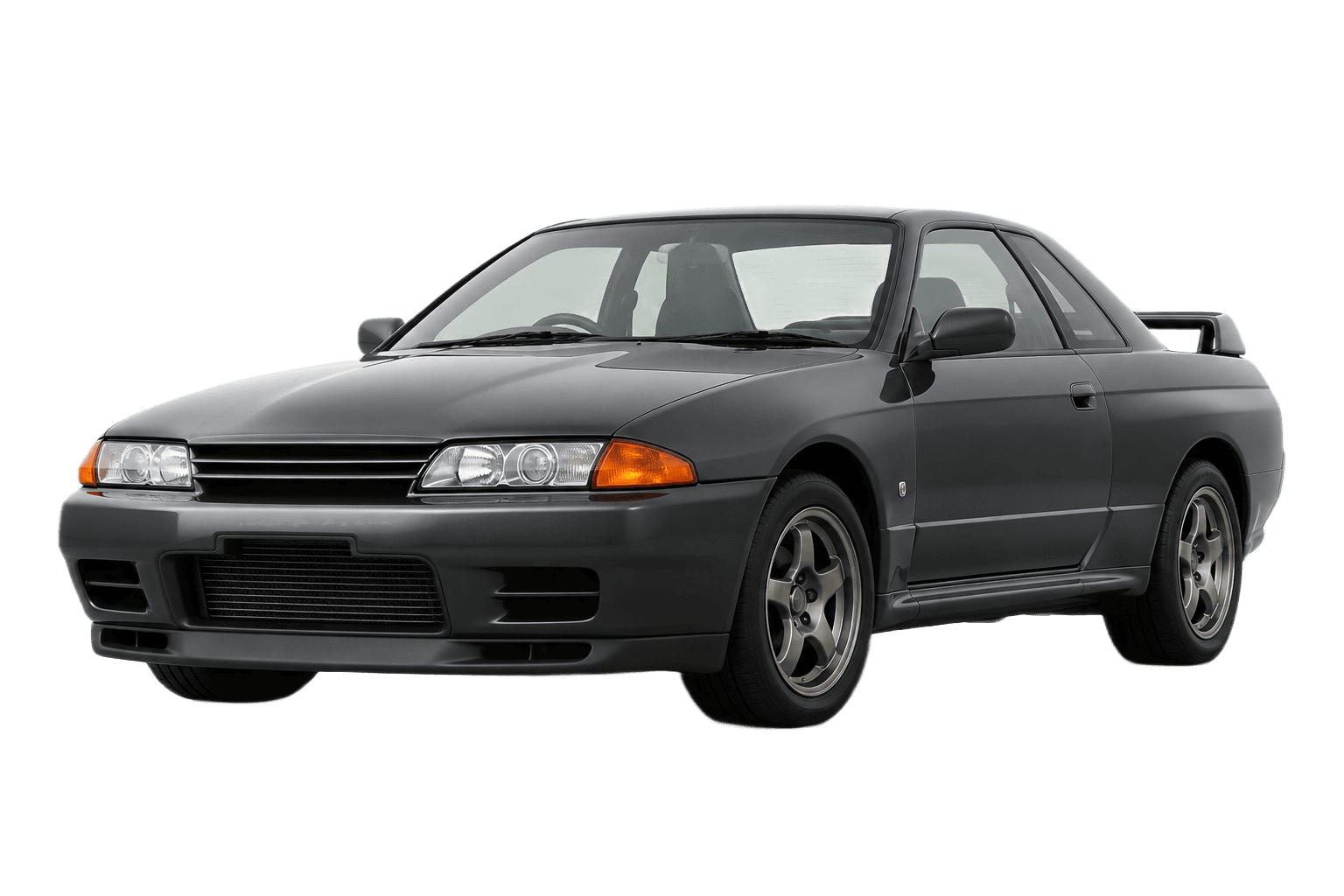 BNR32
BNR32Nissan Skyline GT-R R32
1989–1994 · 276 hp · AWD
The R32 is the car that resurrected the GT-R name after a 16-year hiatus, and it did so by demolishing everything in its path. Built around the ATTESA E-TS all-wheel-drive system and the legendary RB26DETT straight-six, it turned Nissan's mid-size coupe into a touring-car weapon.
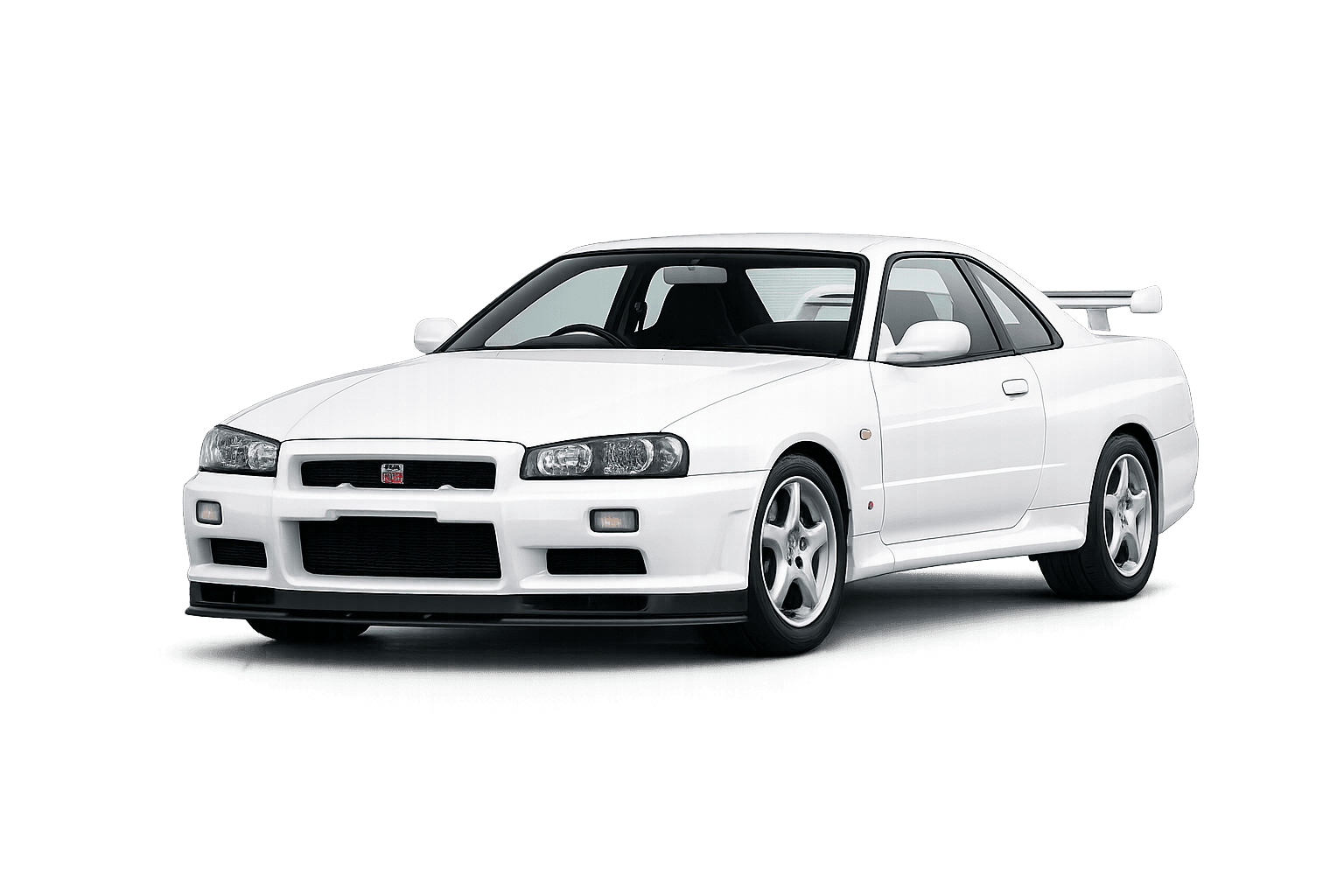 BNR34
BNR34Nissan Skyline GT-R R34
1999–2002 · 276 hp · AWD
The R34 is the GT-R most people picture when they hear the name — a tighter, more focused evolution of the R33 with a factory multi-function display, a stronger six-speed gearbox, and a starring role in Paul Walker's collection and Fast & Furious lore.
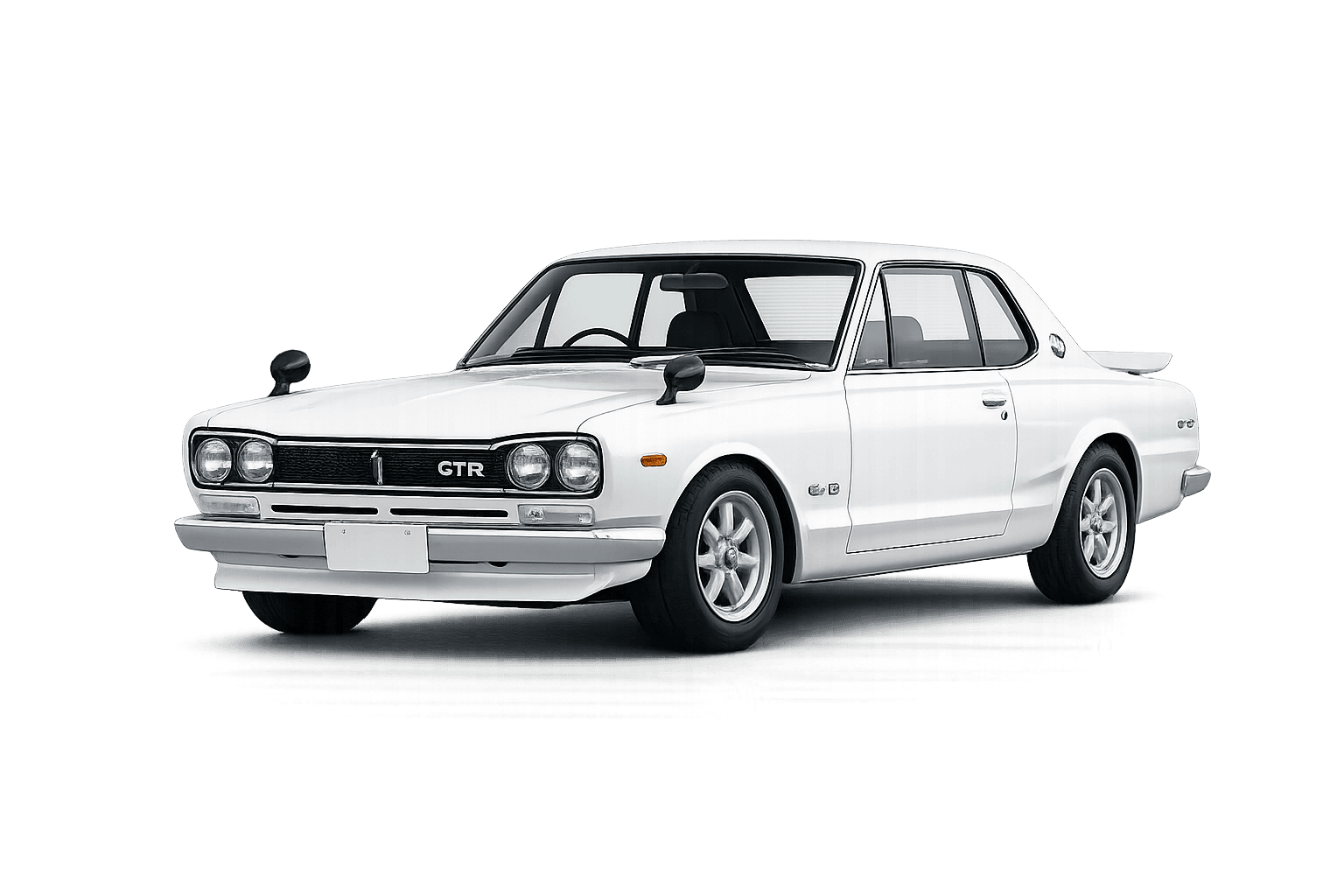 KPGC10
Nissan Skyline GT-R KPGC10 (Hakosuka)
1970–1971 · 160 hp · RWD
The Hakosuka ('boxy Skyline' in Japanese enthusiast slang) is the original GT-R, the car that started a 50-year dynasty. Its Prince-derived S20 engine, born from a racing partnership, made it the giant-killer of Japanese touring car racing in the early 1970s.